



The top 10 best things to eat in Vietnam
Vietnam might just be the most underrated food destination in Southeast Asia. It doesn't shout about itself the way some of its neighbours do, there's no single "national obsession" dish dominating every menu but spend a week eating your way from Hanoi to Ho Chi Minh City and you'll realise just how much variety, freshness and regional pride is packed into this one narrow, north-to-south country.
We've been putting together Vietnam holidays for years, and our team has eaten plenty of pho standing at plastic stools on a Hanoi pavement to know that the good stuff rarely comes from a menu with pictures. This list mixes the dishes most people already know and love with a few regional specialities that deserve just as much attention.
If you're planning a holiday to Vietnam, treat this as your eating checklist.

1. Pho
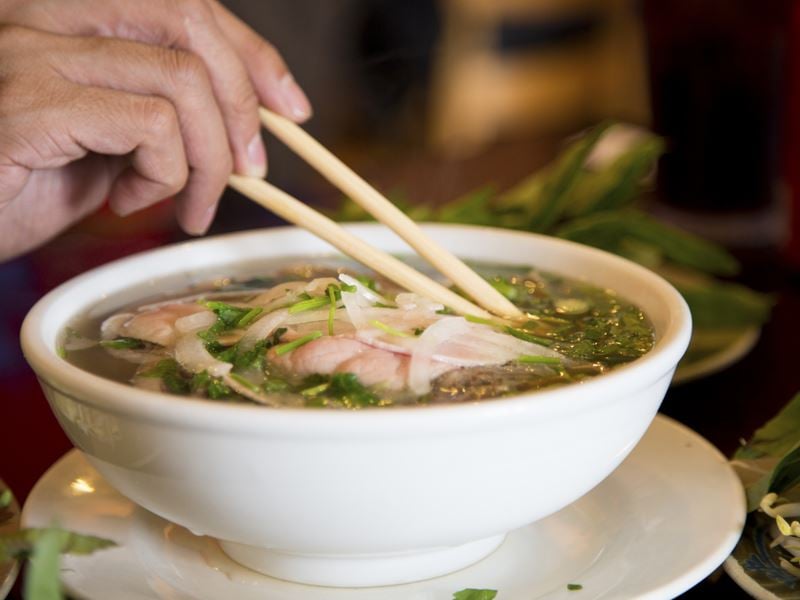
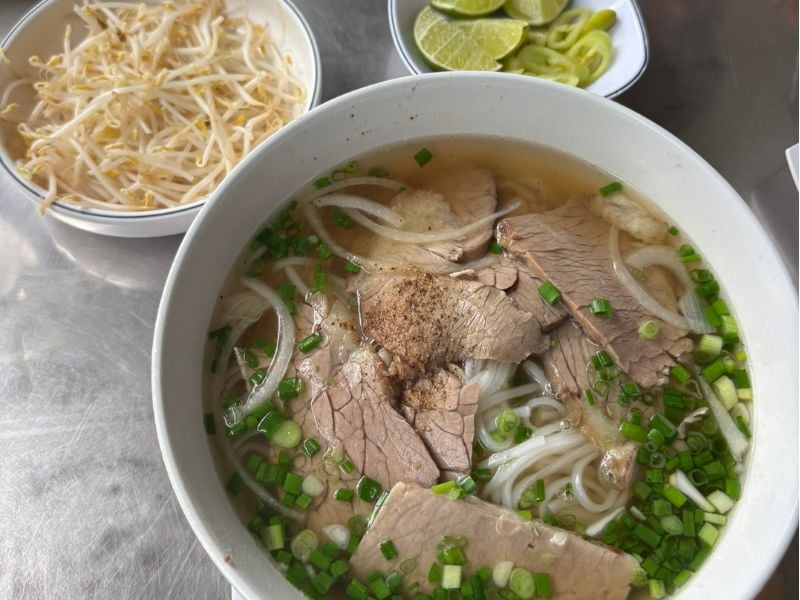
Vietnam's most famous export, and for very good reason. Pho is a clear, fragrant broth, simmered for hours with beef or chicken bones, star anise, cinnamon and charred ginger, then ladled over flat rice noodles with thin slices of beef or shredded chicken. It's traditionally eaten for breakfast in Vietnam, not dinner, and the best bowls are found at no-frills local spots rather than smart restaurants, a plastic stool, a squeeze of lime, a handful of Thai basil and beansprouts, and you're set. Hanoi is generally considered the spiritual home of pho, with a cleaner, more restrained broth than the sweeter, herb-laden versions you'll find further south.
2. Banh Mi
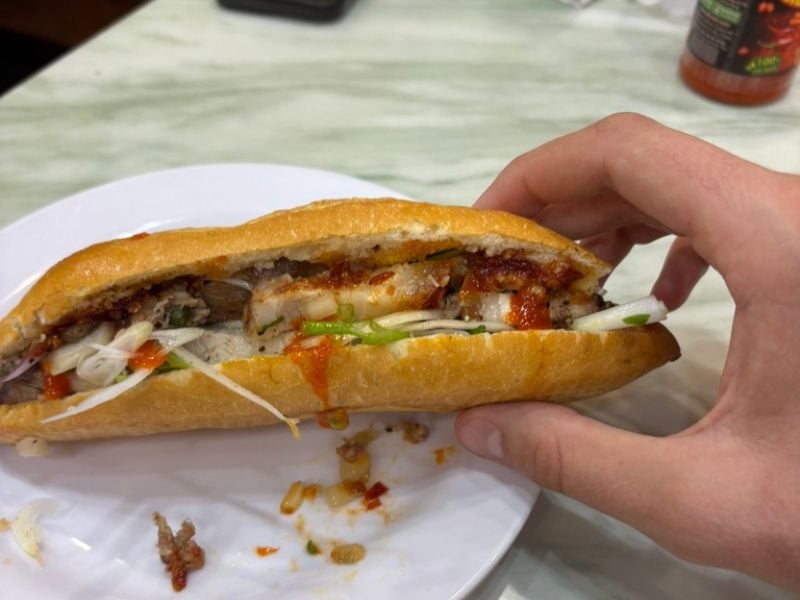
Proof of Vietnam's fascinating culinary history, banh mi takes the French baguette, a legacy of colonial rule, and turns it into something entirely, brilliantly Vietnamese. A crisp, airy baguette is split and filled with a mix of pork (often a combination of pâté, cold cuts and grilled pork belly), pickled carrot and daikon, fresh coriander, chilli and a swipe of mayonnaise. It's fast, cheap and endlessly customisable, and you'll find a good cart or stall on almost every street corner. Hoi An has developed something of a cult following for its banh mi, with queues regularly forming outside a handful of famous stalls in the Old Town.
3. Fresh Spring Rolls (Goi Cuon)
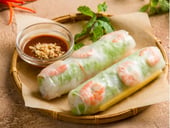
Not to be confused with their deep-fried cousin, goi cuon are translucent rice paper rolls filled with prawns or pork, rice vermicelli noodles, fresh herbs and lettuce, rolled tightly and served cold with a peanut or fish sauce-based dipping sauce. They're light, fresh and a genuinely healthy way to start a meal, and they're a good introduction to Vietnamese cuisine's emphasis on herbs and raw vegetables alongside cooked elements. If you're travelling with fussier eaters or want something easy on a hot day, this is always a safe, delicious order.
4. Bun Cha
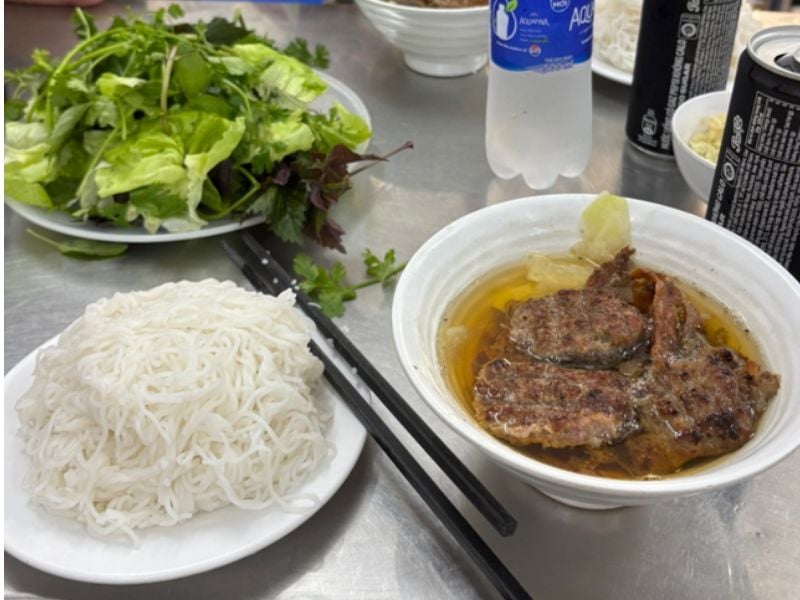
A Hanoi speciality that became internationally famous after Anthony Bourdain shared a plate of it with Barack Obama at a Hanoi restaurant in 2016, bun cha is grilled pork, usually a mix of patties and slices of pork belly, served in a bowl of warm, sweet-and-sour fish sauce broth, alongside a separate plate of rice vermicelli noodles and fresh herbs to mix in as you go. It's smoky, savoury and satisfying, and lunchtime in Hanoi's Old Quarter without a bowl of bun cha in front of you feels like a missed opportunity. Order a side of fried spring rolls (nem) alongside it, which is how most locals eat it.
5. Vietnamese Coffee (Egg, Salt and Coconut)
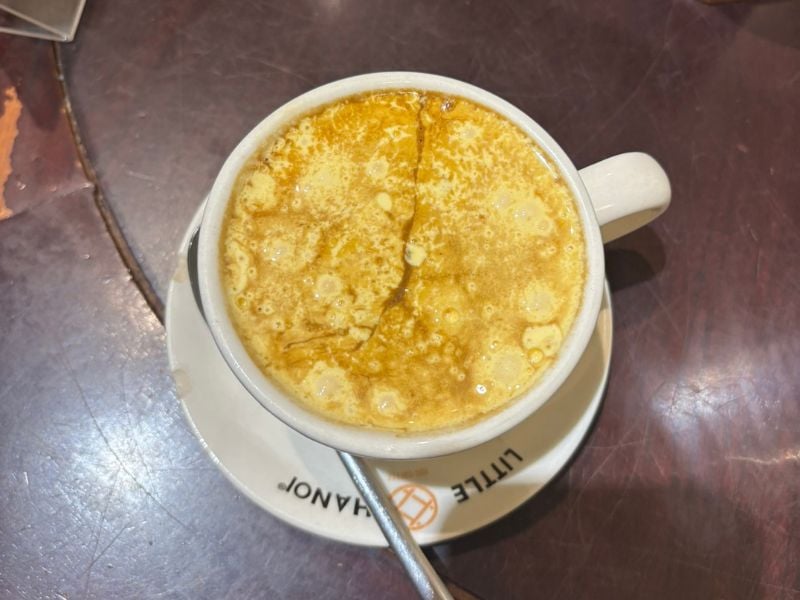
Coffee deserves its own entry on this list, not just as a drink but as a genuine strand of Vietnamese food culture, and it's far more inventive than most people expect. It starts with strong, dark drip coffee brewed slowly through a small metal phin filter, which forms the base for a surprising number of regional variations. Egg coffee (ca phe trung), invented in Hanoi during a 1940s milk shortage, whisks egg yolk, condensed milk and sugar into a thick, custardy foam poured over the coffee, it sounds odd on paper and tastes something like a cross between coffee and tiramisu, and Café Giang in Hanoi's Old Quarter, run by the family credited with inventing it, is still the most famous place to try it. Head to central Vietnam and you'll find salt coffee (ca phe muoi), a Hue speciality where a spoonful of salted cream is dolloped on top of black coffee, cutting through the bitterness in a way that sounds strange but works brilliantly once you try it. Then there's coconut coffee (ca phe dua or ca phe cot dua), popular in Saigon and now widely exported, which blends coffee with coconut milk and ice into something closer to a frozen dessert than a drink. Between the three, it's worth trying at least one coffee style in each region you visit.
6. Com Tam (Broken Rice)
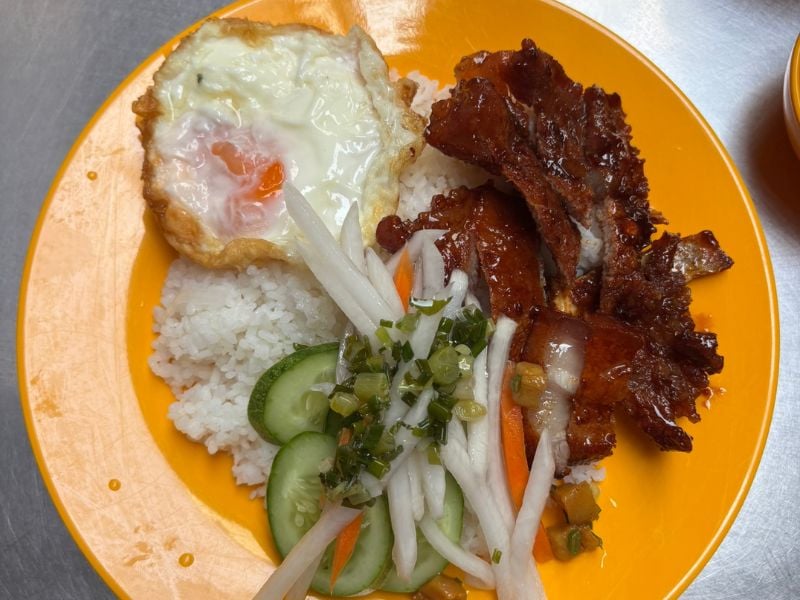
A Ho Chi Minh City institution and a genuine everyday favourite across southern Vietnam. Com tam translates to "broken rice", the small, fractured grains left over from milling whole rice, once considered a poor man's food but now beloved for the way they soak up sauce and sit differently to regular rice. It's typically served with a grilled pork chop, a fried egg, shredded pork skin and pickled vegetables, all doused in a savoury-sweet fish sauce dressing. It's the kind of hearty, no-nonsense plate you'll see locals eating at every hour of the day in Saigon.
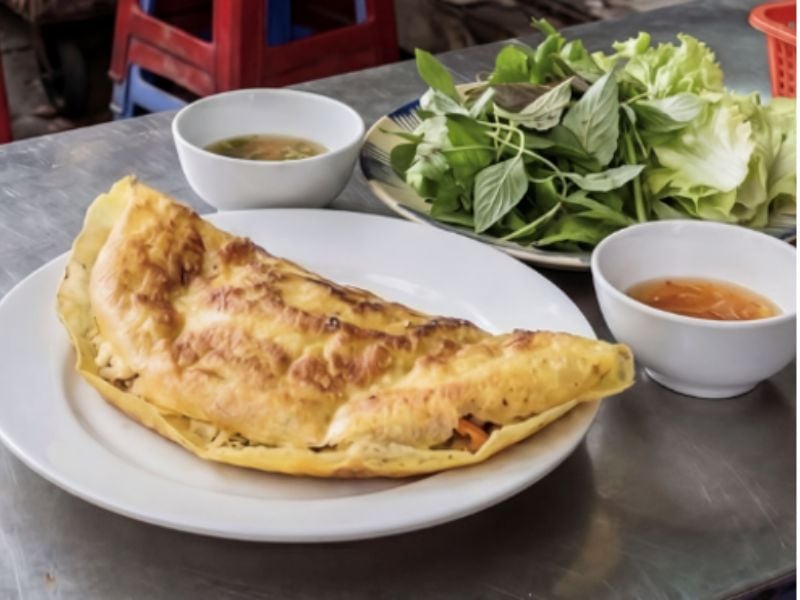
7. Banh Xeo
A sizzling Vietnamese pancake made from a thin, turmeric-yellow rice batter, banh xeo is poured onto a hot pan until crispy at the edges, then filled with pork, prawns, beansprouts and spring onion before being folded in half. It's eaten by tearing off pieces, wrapping them in lettuce or rice paper with fresh herbs, and dipping the whole parcel into nuoc cham (a classic Vietnamese dipping sauce of fish sauce, lime, sugar and chilli). Central and southern Vietnam both have their own versions, with the southern take generally larger and crispier than the smaller, softer versions found further north.
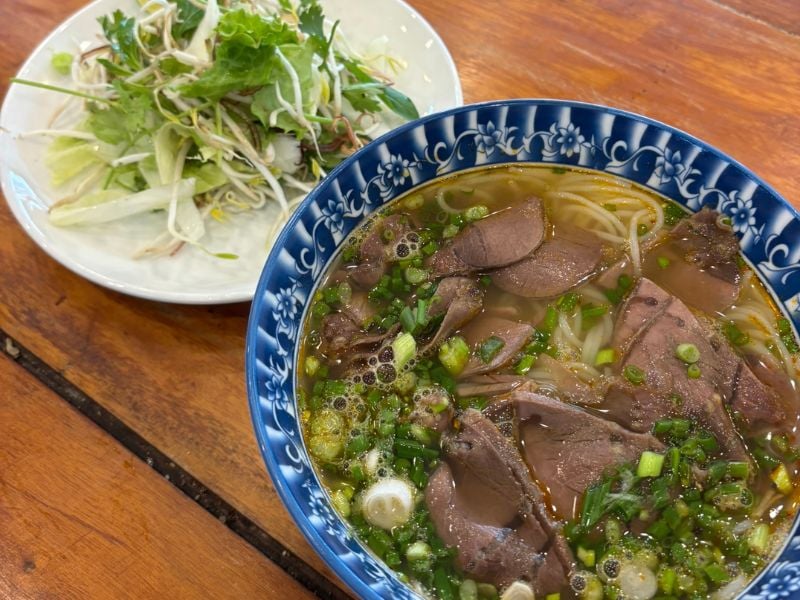
8. Bun Bo Hue
Here's where the list gets a little more rogue and, this one deserves far more recognition outside Vietnam than it currently gets. Bun bo hue is a spicy, deeply savoury beef and pork noodle soup from the former imperial capital of Hue, built on a broth flavoured with lemongrass, chilli oil and fermented shrimp paste, giving it a complexity and kick that pho doesn't really attempt. Thick round rice noodles replace pho's flat ones, and the bowl is often finished with slices of pork knuckle, cubes of congealed pork blood and a tangle of fresh herbs. It's bolder and spicier than most people's idea of Vietnamese food, and it's exactly the kind of dish our Best of Vietnam tour, which stops in Hue, gives travellers the chance to try properly.
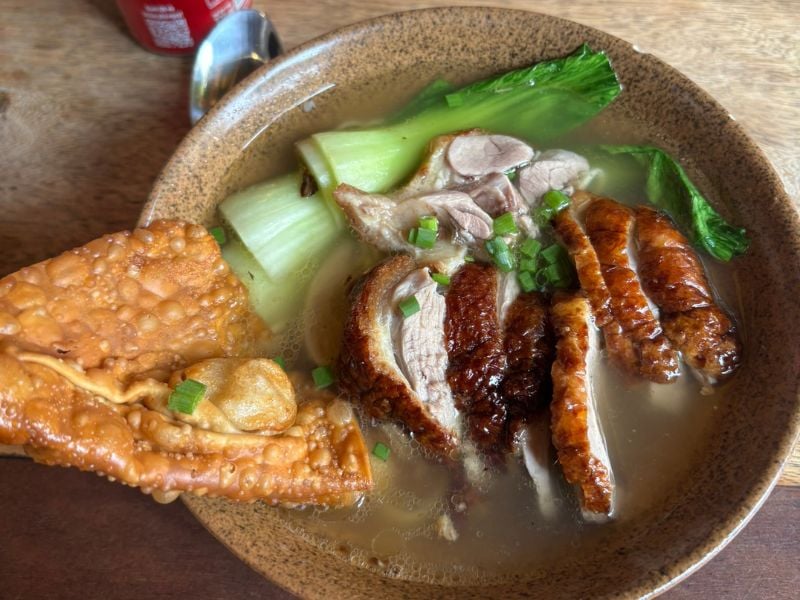
9. Cao Lau
Our second rogue pick, and one you can genuinely only get properly in one place: Cao lau is a Hoi An speciality, and locals will tell you it can't be replicated anywhere else, because the dish traditionally relies on water drawn from a specific ancient well in the town. Thick, chewy noodles (closer in texture to udon than rice noodles) are topped with slices of char siu-style pork, fresh herbs, beansprouts and crunchy croutons made from fried noodle dough, all tossed through a light, soy-based sauce rather than served in a soup. It's smoky, textural and completely unique, and it's one of the best reasons to spend a couple of unhurried days wandering Hoi An's lantern-lit Old Town.
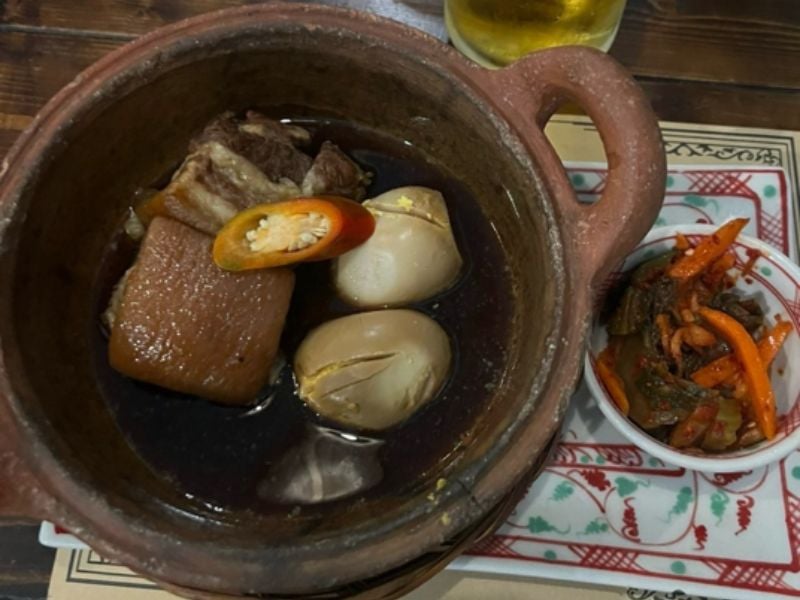
10. Vietnamese Claypot Pork (Thit Kho To)
Our final rogue entry, and proper southern Vietnamese comfort food. Thit kho to is pork belly, slow-braised in a clay pot with fish sauce, cracked black pepper and a deep, bittersweet caramel sauce made from slowly cooked sugar, until the meat turns glossy, sticky and meltingly tender. Whole eggs (traditionally duck, though hen's eggs work just as well) are added towards the end to soak up the sauce, and coconut water is often used in place of plain water for extra sweetness and depth. It's a Mekong Delta staple and a fixture of family tables across southern Vietnam, particularly around Tet (Lunar New Year), when a big clay pot of it is often kept simmering on the stove for days, feeding whoever wanders through the kitchen. Order it with plain steamed rice and a side of pickled vegetables to cut through the richness, and don't be surprised if it's the dish you end up craving most once you're home.
Eating Your Way Around Vietnam, Done Properly
Vietnam's food changes as dramatically as its landscape as you travel from north to south, which is exactly why a well-planned route matters. Our Explore Vietnam tour takes in Hanoi, Hue, Hoi An and Ho Chi Minh City, giving you a genuine taste of each region's specialities, while our Classic Vietnam: Ho Chi Minh to Hanoi tour travels the length of the country, including a traditional overnight cruise on Halong Bay along the way.
Not sure where to start? Our Vietnam specialists can help you plan a route built around your appetite, and you can browse our full range of Vietnam holidays or request our free travel guide for more inspiration before you book.
Frequently Asked Questions
What is the most popular food in Vietnam?
Pho is the dish most associated with Vietnam internationally, alongside banh mi, but regional specialities like bun bo hue in Hue and cao lau in Hoi An are just as loved locally and well worth trying alongside the classics.
Is street food safe to eat in Vietnam?
Yes, generally speaking - Vietnamese street food is some of the best and freshest in Asia, and busy stalls with a high turnover of customers, particularly ones popular with locals, are usually your safest and tastiest option. Stick to bottled water and you should have no issues.
Is Vietnamese food very spicy?
Not as a rule. Northern Vietnamese food (Hanoi-style pho, bun cha) tends to be mild and herb-forward, while central Vietnamese dishes like bun bo hue carry noticeably more heat. Southern Vietnamese food often leans sweeter, thanks to the wider use of sugar and coconut milk. There's a good range across the country for different spice preferences.
What is the best region in Vietnam for food?
It genuinely depends what you're after. Hanoi and the north are known for delicate, herb-forward noodle dishes and famous street food streets, central Vietnam (Hue and Hoi An) has the boldest and most distinctive regional specialities, and the south (Ho Chi Minh City and the Mekong Delta) offers sweeter, more tropical flavours and incredible fresh produce. A route that covers all three, like our escorted tours, gives you the fullest picture.
Do I need to try Vietnamese coffee even if I don't usually drink coffee?
We'd say yes, at least once. Vietnamese coffee - particularly egg coffee in Hanoi - is more of a dessert than a drink in the way most people think of coffee, and it's such a specific part of the country's food culture that it's worth trying even if you're not usually a coffee drinker.
Ready to start planning your own Vietnamese food adventure? Speak to one of our Vietnam specialists today, or browse our full range of Far East & Asia holidays for more inspiration.
More Inspiration
Recommended vacations




Talk to our friendly team
1-800-311-6002
Call us 9am-7pm Mon-Fri / 9am-5pm Sat-Sun